Reclining Big Toe 1

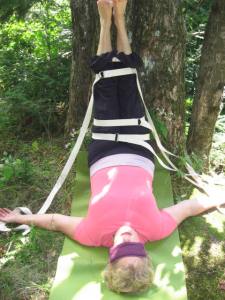
Here’s Angi’s take on Supta Padangusthasana, Reclining Big Toe Pose.
angi strap 3 009 angi strap 3 012 angi strap 3 018

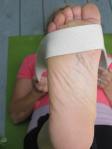
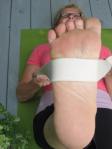
Do it in three positionswith the strap around the ball of the foot, then around the arch, then around the heel.

angi strap 1 004

Hold this stretch

Place the strap around the ball of your foot first. Bend the strapped leg and slowly extend it. Pull down on the straps. Imagine that each foot is pressing against a wall. (You can even press your lower leg into a real wall.) Keep feet parallel, not turned out.

angi strap 1 006

If your back hurts, bend your leg.

angi strap 1 049

Make sure your lower thigh is pressing into the ground. If there is a big gap between the back of your thigh and the floor, take a cushion or blanket and place it underneath.

angi strap 1 053

Dont crunch your shoulders, like Angi is doing here.

Baby Toe Up

Baby Toe Up


Big Toe Up

Big Toe Up

Point your baby toe up, then point your big toe up. Keep alternating, moving smoothly back and forth. Then point and flex the foot a few times. You should feel the stretch all up and down your leg. Now do your other leg.

Point Toes

Point Toes


angi strap 1 008

Flex

Here’s Angi’s take on Supta Padangusthasana, Reclining Big Toe Pose.
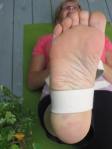


angi strap 3 009 angi strap 3 012 angi strap 3 018

Do it in three positionswith the strap around the ball of the foot, then around the arch, then around the heel.
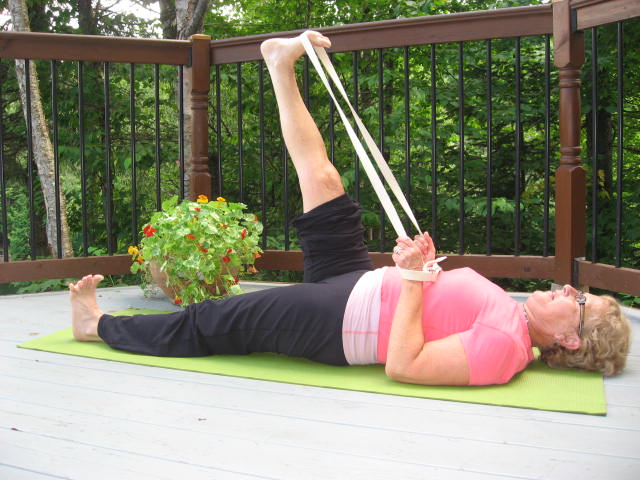
angi strap 1 004

Hold this stretch

Place the strap around the ball of your foot first. Bend the strapped leg and slowly extend it. Pull down on the straps. Imagine that each foot is pressing against a wall. (You can even press your lower leg into a real wall.) Keep feet parallel, not turned out.
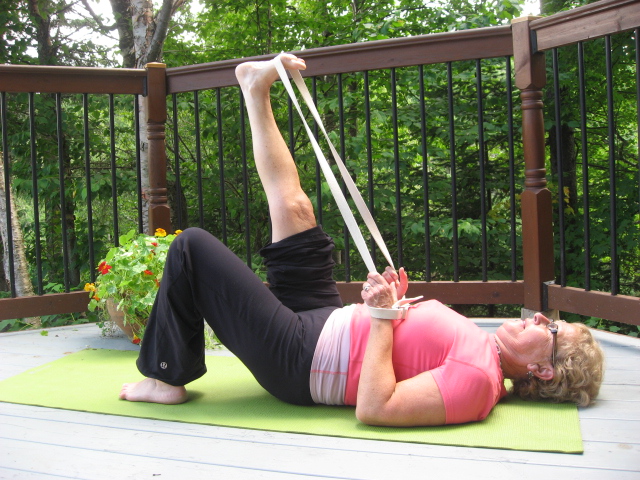
angi strap 1 006

If your back hurts, bend your leg.

angi strap 1 049

Make sure your lower thigh is pressing into the ground. If there is a big gap between the back of your thigh and the floor, take a cushion or blanket and place it underneath.
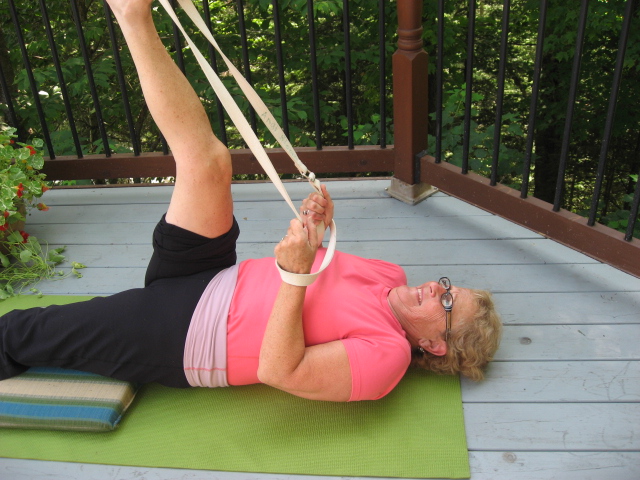
angi strap 1 053

Dont crunch your shoulders, like Angi is doing here.

Baby Toe Up

Baby Toe Up

Big Toe Up

Big Toe Up

Point your baby toe up, then point your big toe up. Keep alternating, moving smoothly back and forth. Then point and flex the foot a few times. You should feel the stretch all up and down your leg. Now do your other leg.
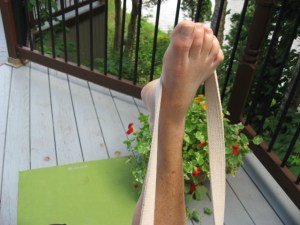
Point Toes

Point Toes

angi strap 1 008

Flex

Green Tea

Green tea is rich in catechins, which reduce the proliferation of blood vessels needed for tumors to grow and metastasize. It also acts as a powerful antioxidant, activates enzymes in the liver that help rid the body of toxins and facilitates the death of cancer cells. (Black tea, on the other hand, is fermented, which destroys catechins.)

Buy either the Japanese leaves (They’re considered the best)* or the Chinese Dragonwell brand, and drink a few cups a day (Some say 2-3; others say up to 6.) It does have caffeine (about 20 percent the amount in coffee),  so don’t drink it on an empty stomach and switch to decaffeinated in the p.m. Caffeine raises your blood sugar.

Here’s how to make the perfect cup:  Bring water to boil, and then let it settle down for a minute or so ‘til the bubbles disappear.  Add leaves (2 grams/.07 ounces per cup, but you don’t have to be so perfect), and let them steep for 10 minutes so that they release the catechins.  Drink within the hour; with time, the steeped tea loses its catechins. You can re-use the leaves later in the day for a second  cup.

Vaginal Dryness

As we glow older, the tissues in our vaginas start to thin, and dryness takes over.  A safe solution: Vitamin E vaginal suppositories.  Twice a week over several months should do the trick.

You can order them on the net, or check out your pharmacy. Some pharmacists will even compound them for you. (Visit www.iacprx.org to find a compounding pharmacist near you.)

Just make sure the suppositories are made of the complete, not partial, Vitamin E– and  pick up a few sanitary pads to go with them.

Another option–calendula, which also comes in suppository form. Studies have shown that  extracts of calendula, a type of marigold, have various healing properties.

Anti-Angiogenic Foods

Once solid tumors grow to about the size of a pin head, they need to generate blood vessels to keep them alive.  The blood vessel and tumor cells then begin feeding off each other and hence promote growth.  Anti-angiogenic treatments aim to stop this spiral by targeting the blood vessel cells. Several such drugs–Avastin, for example– are now on the market.

Many nutrients have also shown anti-angiogenic properties in published research studies. Here are some plant foods that contain these promising nutrients:

  • Herbs–mint, thyme, oregano, parsley, marjoram, basil (apigenin)
  • Lettuce, tomatoes, celery, beans, broccoli, artichoke, onions (apigenin)
  • Apples and berries–blue, cran, rasp, straw and cherries  (apigenin and/or resveratrol)
  • Brazil nuts (selenium)
  • Turmeric, curry (curcumin)
  • Garlic
  • Green tea
  • Mushrooms (Vitamin D)

Source: Dr. Jeanne Wallace, PHD in nutrition, www.nutritional-solutions.net

Dietary Strategies for Fighting Cancer

For lots more advice on nutrition to combat cancer, visit www.eatandbeatcancer.com

Dietary Strategies for Fighting Cancer: The Theories

The science of nutrigenomics—how nutrients interact with genes to affect health—is all the rage now, and we’re seeing more and more evidence that phytonutrients—nutrients from plant foods—can directly impact cancer genes. How do these nutrients work?  Here are the various theories. 

Phytonutrients can

● boost the immune system

● stop the cancer cells’ growth cycle and interfere with chemicals and processes, such as elevations in blood glucose, that promote growth

● encourage cancer cells to mature into healthy tissue (differentiation) or to commit suicide (apoptosis)

● stop them from producing blood vessels that allow them to grow and spread (anti-angiogenesis)

● reduce the effects of hormones, including estrogen, that fuel growth

● control inflammation in the body (the theory being that inflammatory chemicals suppress the immune system and encourage tumors to grow and spread).

Controlling the inflammatory process by eating fish or fish oils high in Omega-3 fatty acids and maintaining even blood sugar levels are among the many dietary strategies for improving our health.   


Cauliflower Creations

CAULIFLOWER & CHICKPEA SOUP WITH TURMERIC

Prep Time: 30 minutes (20 prep/ 10 min to cook)    Serves 6

Ingredients:
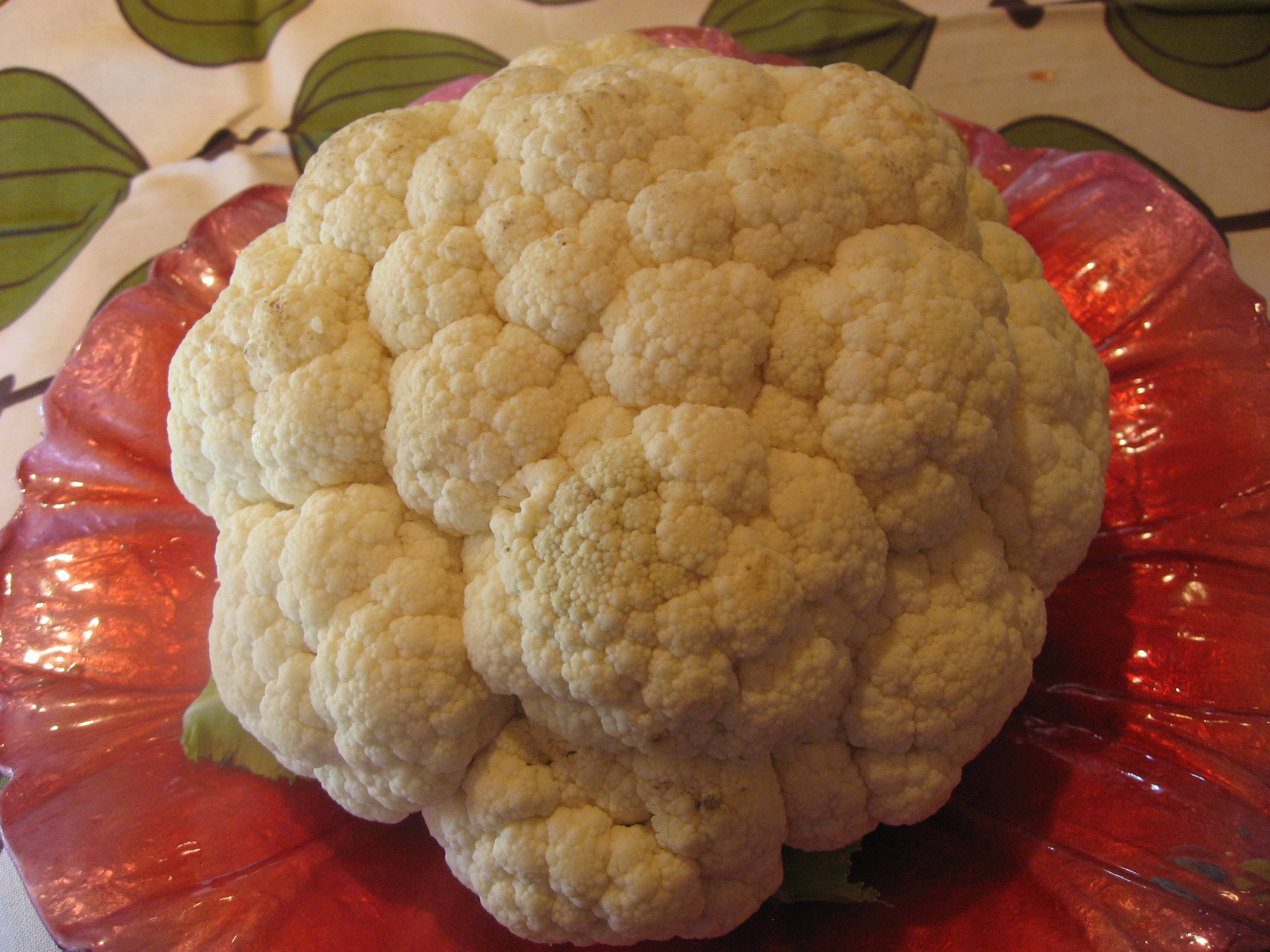
1 cauliflower (flowers and stems chopped into small pieces)
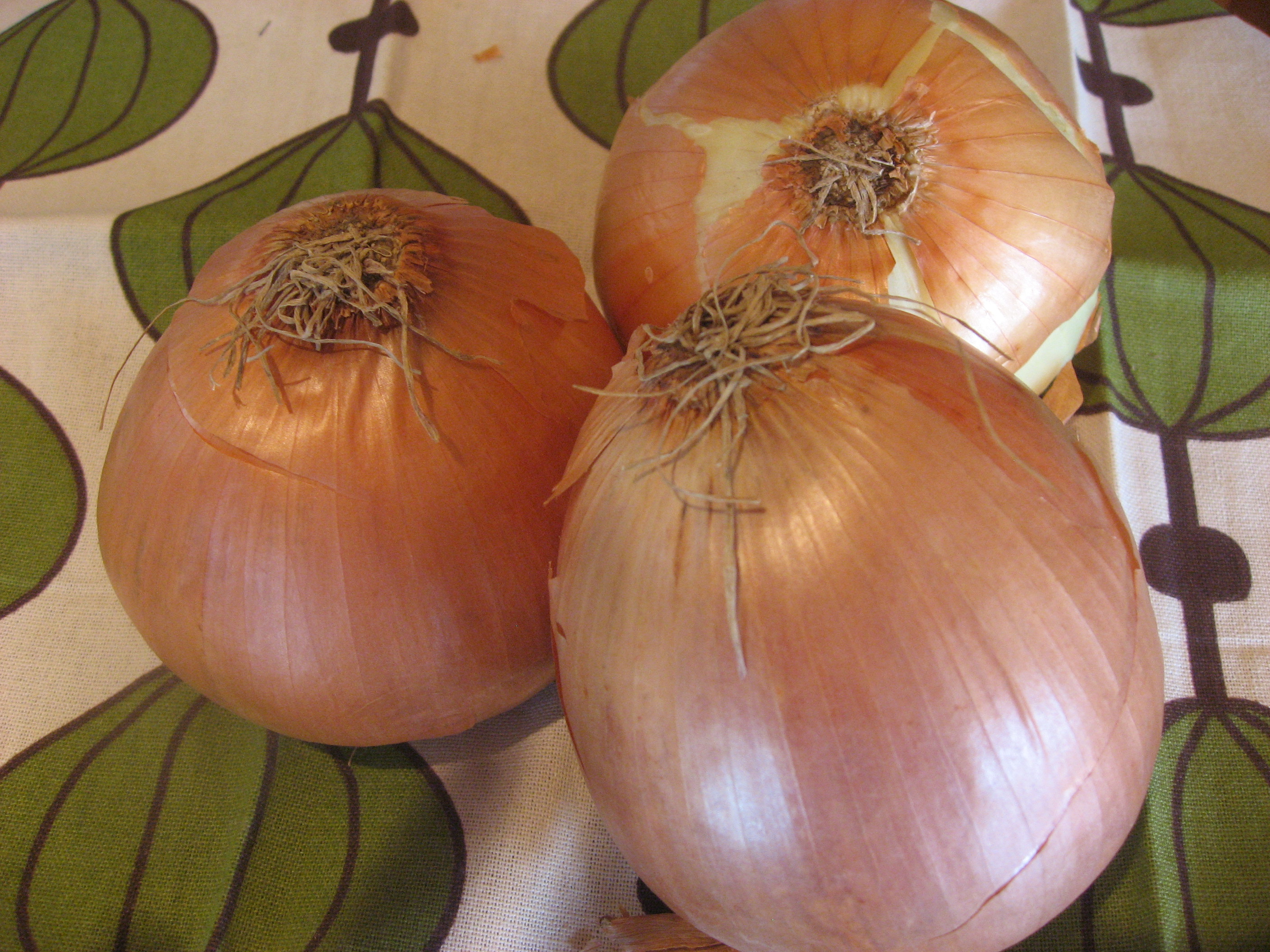
2 medium or 3 small onions (diced)
3 garlic cloves (minced)
1 t red chili pepper (minced)
1 T turmeric
1 t cumin
1 t salt
1 cup chickpeas (1 can drained and rinsed until foam disappears or 1/2 cup dried beans soaked overnight and cooked)
6 cups vegetable broth (or 1 box plus 2 cups water)

1-2 T olive oil, for sauteeing

1 bunch watercress

cracked black pepper and extra salt,  to season

Directions:

● Saute onion, garlic, red pepper in olive oil until soft

● Add turmeric, cumin, salt and toss with onions

● Add cauliflower, chickpeas and then toss to coat with seasonings

● Add broth and bring to boil, then simmer for 10 minutes

● Season to taste with salt and cracked black pepper

● Serve immediately, adding handful of watercress on top or bottom of  bowl

Leftovers?  Blend remaining soup in blender and keep in fridge.

Kale Chips

CRUNCHY KALE CHIPS

Prep time: 30 minutes (5 minutes work. Then, put in oven.)  Serve as snack.

The kale dehydrates, so plan on preparing a few batches.

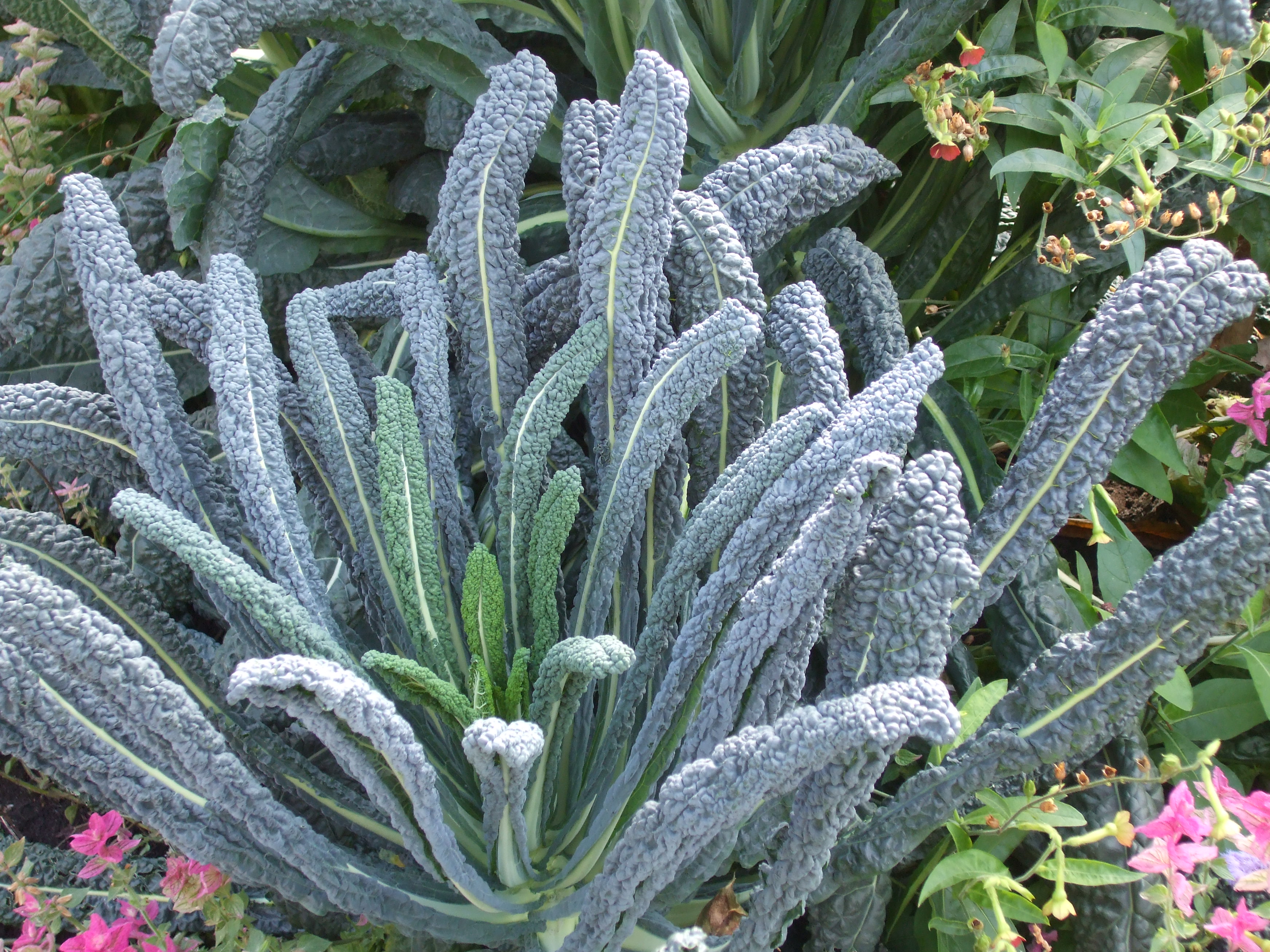
1 medium-sized head of kale

1 T olive oil

Salt

Pizza pan (with holes in it) or baking sheet

Directions:

● Remove stems from kale and chop leaves into 3 -4 inch pieces. Toss with olive oil.  Give it a good sprinkling of salt. Place one layer of kale on a pizza pan or baking sheet.  (Do not pile up kale in layers.) Bake at 275 F for 20-25 minutes, until all leaves are crispy. (If using baking sheet, turn it midway.)

● To re-use chips, just heat them up at a low temp for a couple of minutes.

Variation:

Instead of adding olive oil and salt, use a couple of tablespoons of tahini and some Indian spices to taste. Using your hands, toss the kale in the tahini, making sure the greens are evenly coated. Then add some of your favorite mix of spices.

Chickpeas

HOW TO COOK CHICKPEAS

Soak chickpeas overnight with kombu, a sea vegetable, and lots of water (at least 3 inches above the chickpeas). Discard the kombu and soaking water, and transfer the beans to a large pot. Cover with fresh water 3 inches above the beans. Bring to boil and simmer for approximately 1 ½ hours, until they’re soft but not mushy.  Add salt towards the end. Skim off the foam as you cook. (Using kombu and eliminating foam will help with the gas.)

A postscript on kombu: Most is sold dried in packages and comes from Japan. If you buy it, make sure it’s been sitting around a long while–harvested, that is, prior to the Spring 2011 disaster. Your store should ask the distributor.

BALILA, A LEBANESE SIDE DISH

Prep time: 5  minutes (once chickpeas are cooked)

1 cup cooked chickpeas (1 can or ½ cup dried, soaked overnight and cooked as above)

1 piece kombu  (if you’re cooking the chickpeas)

2 T olive oil

2 T lemon juice

3 cloves garlic, crushed and chopped

½ t ground cumin powder

Salt to taste

Parsley for garnish

Directions:

● Follow recipe above for cooking chickpeas or rinse canned several times in running water, making sure to get rid of the foam.

● Mash about half of the chickpeas—but just a little bit. You want them to be a but soft, but not mushy like humus.

● Mix the remaining ingredients (except the parsley) and pour over chickpeas. Garnish with parsley.

Turmeric

Turmeric’s Many Talents

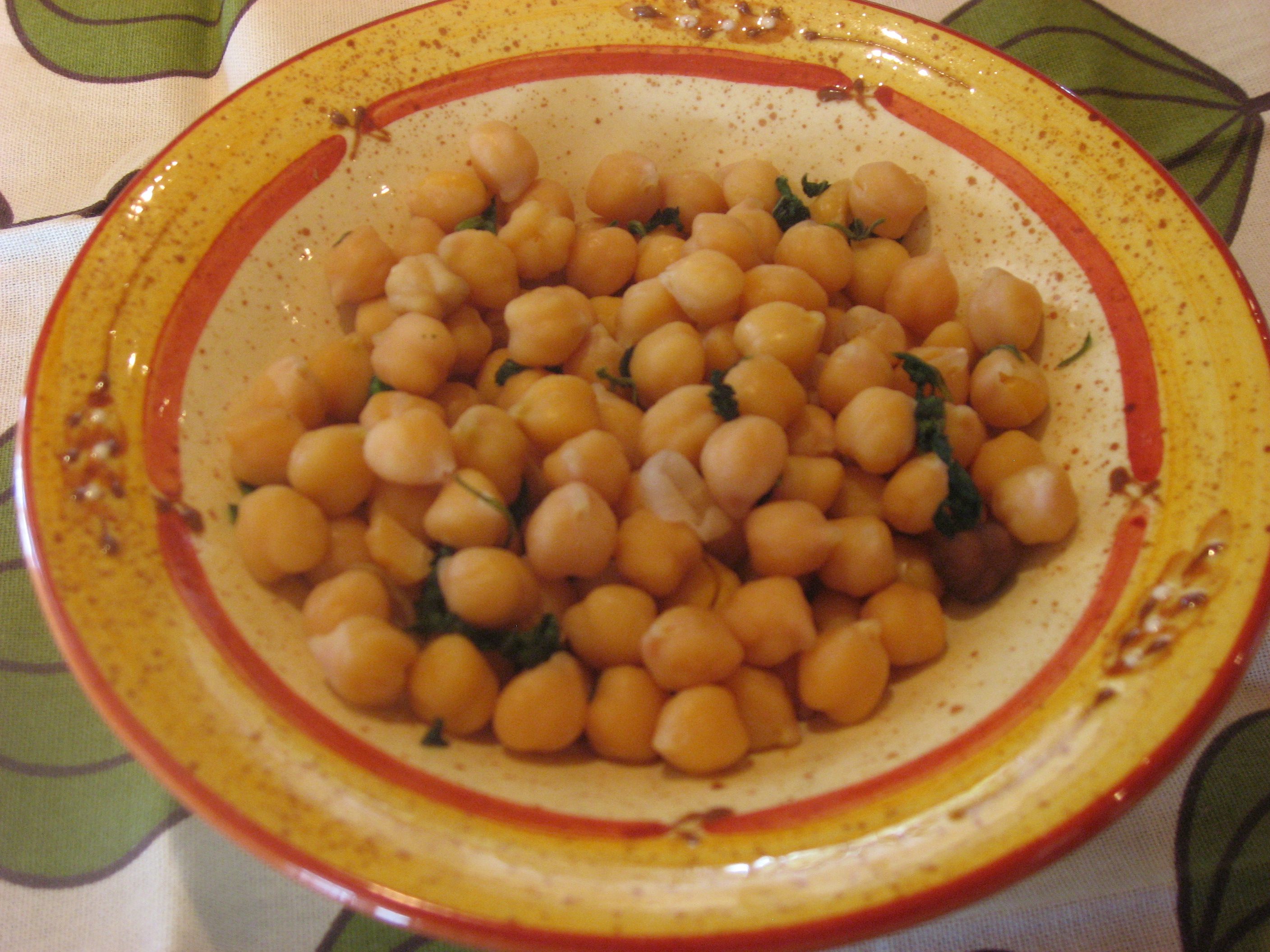
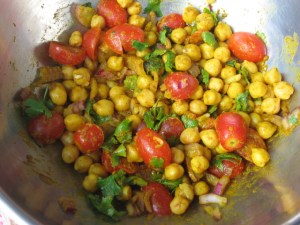
Turmeric concoction with chickpeas

Turmeric, the yellow spice that gives curry its bright color and peppery flavor, has been revered in India and China for thousands of years for its wide range of medicinal properties.

It’s nature’s most powerful anti-inflammatory and has shown great promise in many studies as an anti-cancer agent—reducing tumor growth and metastases, helping stimulate cancer cells to commit suicide and enhancing the effectiveness of chemotherapy.  (Read “The Role of Curcumin in Cancer Therapy,” published in 2007 in Current Problems in Cancer, for a review of the studies.)

The theory is that curcumin, the active ingredient in turmeric, interferes with NF-kappa B cells, considered the black knight of cancer because they protect cancer cells against the body’s natural defense mechanisms.

If you’re planning on adding turmeric to your diet, however, you can’t just rely on curry powder, with its relatively little turmeric, or pop a few turmeric tablets. If taken alone, turmeric is poorly absorbed by the gut. To cross the intestinal barrier, turmeric must be combined with black pepper (which increases its effectiveness somewhere between 1 to 2000 times) and olive oil. Heating it also increases its bio-availability.

The right dose? Nobody really knows. If you’re fighting active cancer, ask your doctor what s/he would do if s/he were you, based on the evidence thus far and the dosages used in studies. Otherwise, a teaspoon a day might even be better than the ole apple trick.

Here’s how to make your daily dose more palatable:

Turmeric Concoction

1  T turmeric

1 T ground cumin

1/2 T ground black pepper

salt to taste

Mix well. Add to mustard and heat it up. Mix with eggs or chickpeas. Add tomatoes, onions, cilantro or dill if  desired.

Warning: At very high dosages, turmeric can cause diarrhea.